Let’s be honest: trying to keep a lawn alive can feel like a full-time job. With our high altitude, thin air, and those “blink-and-you-miss-it” afternoon thunderstorms, dragging a hose around the yard every evening just doesn’t cut it. If you’re tired of the brown patches and the skyrocketing water bills, you’ve probably considered a lawn irrigation system installation in Denver, CO.
Easy Steps to Install a Lawn Irrigation System
It’s a big project. Digging up your yard and messing with your main water line isn’t for the faint of heart. But when done right, an automatic lawn watering system is the best investment you can make for your home’s curb appeal and your own sanity. Here is how the pros handle a build from the ground up.
Phase 1: The Blueprint and The “Red Tape”
You can’t just start sticking pipes in the ground and hope for the best. Every successful lawn irrigation installation starts with a map. You need to measure your water pressure (PSI) and your flow rate (GPM). If you have low pressure, you’ll need more zones; if you have high pressure, you might need regulators so you don’t blow your heads off their risers.
In Denver, CO, you also have to deal with the permit office and the “Call Before You Dig” folks. Trust me, hitting a gas line or a fiber optic cable will turn your weekend project into a local news story real fast. Once your utilities are marked and your design is set to ensure “head-to-head” coverage (meaning the spray from one head reaches the next), you’re ready to break ground.
Phase 2: Trenching and the Main Line
This is the part where most DIY dreams go to die. Trenching in our local soil, which often feels like trying to dig through sun-baked concrete, is backbreaking work. Most residential irrigation contractors use a pipe puller or a vibratory plow to minimize damage to existing turf, but if you’re doing it by hand, you’re looking at trenches about 8 to 12 inches deep.
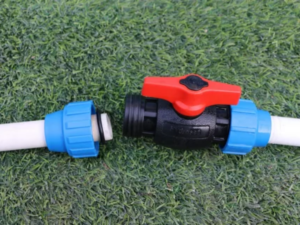
The “heart” of the system is the main line and the backflow preventer. This device is non-negotiable. It prevents “gray water” from your lawn from siphoning back into your kitchen sink. For a proper lawn irrigation system installation, the backflow must be installed to specific code requirements to protect our city’s water supply.
Phase 3: The Valve Manifold and Zone Wiring
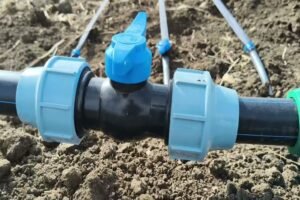
Think of the valve manifold as the brain’s switchboard. Each valve controls a “zone” (like the front yard, the flower beds, or the side strip).
- Assemble the Manifold: Group your valves in a central, accessible box.
- Run the Wire: Use direct-burial multi-strand wire to connect each valve back to your controller in the garage.
- Waterproof Everything: If you don’t use grease-filled wire nuts, the moisture in the soil will corrode your connections by next season, leading to an expensive repair call.
Phase 4: Setting the Heads and Lateral Lines
Now comes the precision work. Lateral lines are the pipes that branch off from the valves to the actual sprinkler heads. For a long-lasting lawn irrigation system installation in Denver, CO, Ascend Landscaping & Irrigation recommends using Schedule 40 PVC or high-density polyethylene (HDPE) pipe. This ensures durability and efficiency for years to come.
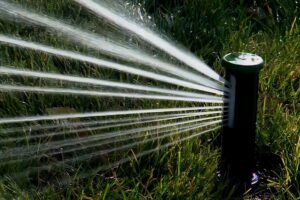
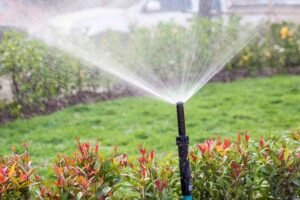
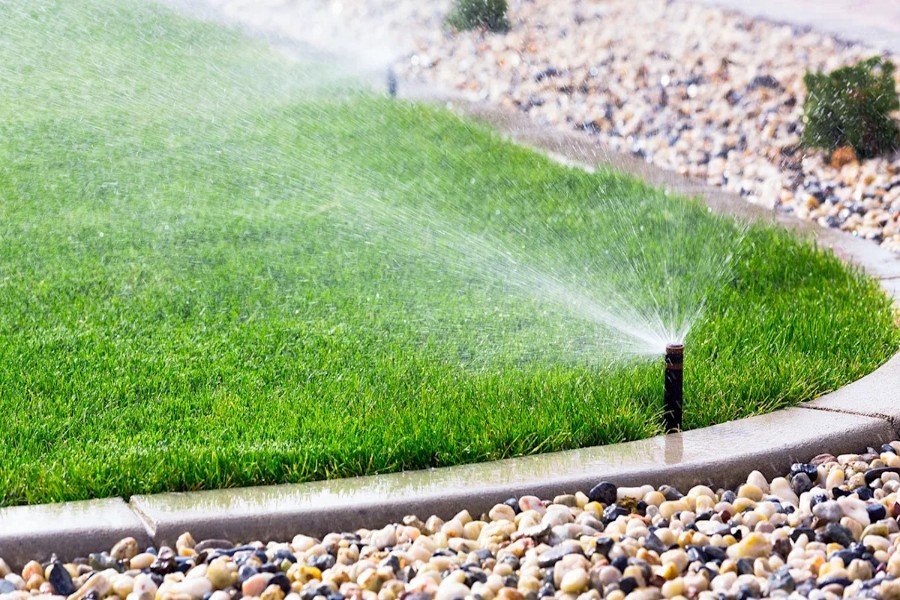
When setting your heads, they need to be perfectly flush with the soil level. Too high, and the mower will decapitate them; too low, and they’ll get buried by grass and dirt. Experts often use a “swing pipe” (a flexible tube) to connect the head to the lateral line. This provides a “cushion” so if someone steps on the head, the pipe flexes instead of shattering.
Phase 5: The “Mile High” Tuning
Once everything is buried, it’s time for the “wet test.” This is where you find out if your glue joints held and if your coverage is actually hit-or-miss. We spend a lot of time adjusting nozzles to make sure we aren’t watering the sidewalk or the side of your house.
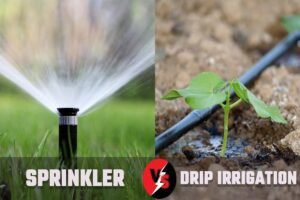
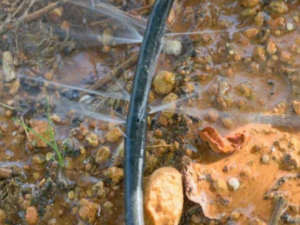
Because water is precious here, we highly recommend smart controllers. These “weather-aware” units sync with local satellites. If a storm is rolling off the Rockies, the system knows to skip a cycle. Additionally, integrating drip irrigation with these smart systems ensures that water is delivered efficiently and directly to the roots, minimizing waste. This is a huge factor in managing your lawn irrigation installation cost over the long term. A smart system with drip irrigation pays for itself in water savings faster than you’d think.
Why the “Pros” Are Pros
Could you do this yourself? Technically, yes. But a professional lawn irrigation system installation in Denver, CO takes into account things most people miss: the frost line, the specific hydro-zones for native plants, and the long-term durability of the components.
When you hire sprinkler installation services, you’re paying for the specialized machinery and the years of experience that keep your yard from becoming a swamp or a desert.
Conclusion
Installing a sprinkler system is a massive undertaking, but it’s the only way to achieve a truly resilient landscape in our climate. From the initial trenching to the final nozzle adjustment, every step requires a bit of finesse and a lot of sweat. Whether you’re a DIY enthusiast or looking for a team to handle the heavy lifting, doing it right the first time is the only way to ensure your lawn stays green through the heat of July and the freezes of October.
Stop fighting with your garden hose and start enjoying your outdoor space. If you’re looking for a top-tier lawn irrigation system installation in Denver, CO, the team at Ascend Landscaping & Irrigation is ready to help. We provide expert design, professional installation, and the long-term support you need to keep your system running perfectly. Contact us today for a consultation and let us help you build the yard you’ve always wanted!
Frequently Asked Questions
Q: How much does a new system cost?
Ans: The lawn irrigation installation cost varies based on yard size and the number of zones.
Q: How long does installation take?
Ans: For most homes, a professional crew can complete a full lawn irrigation system installation in 2 to 4 days.
Q: Is winterization really that important?
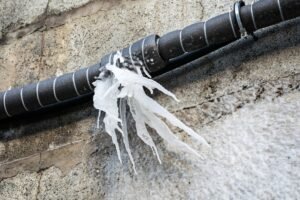
Ans: Yes! Without a professional blowout, water trapped in the lines will freeze and shatter your pipes, leading to a total system failure by spring.