If you’ve lived through even one winter in Denver, you know the drill. One afternoon, you’re sitting on the patio in a t-shirt, and by the next morning, there’s six inches of powder on the ground, and the temperature has plummeted forty degrees. It’s that erratic “yo-yo” weather that makes owning an irrigation system in Denver, CO, such a challenge.
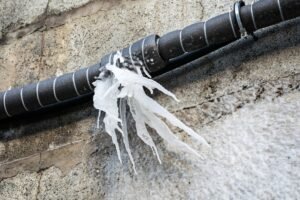
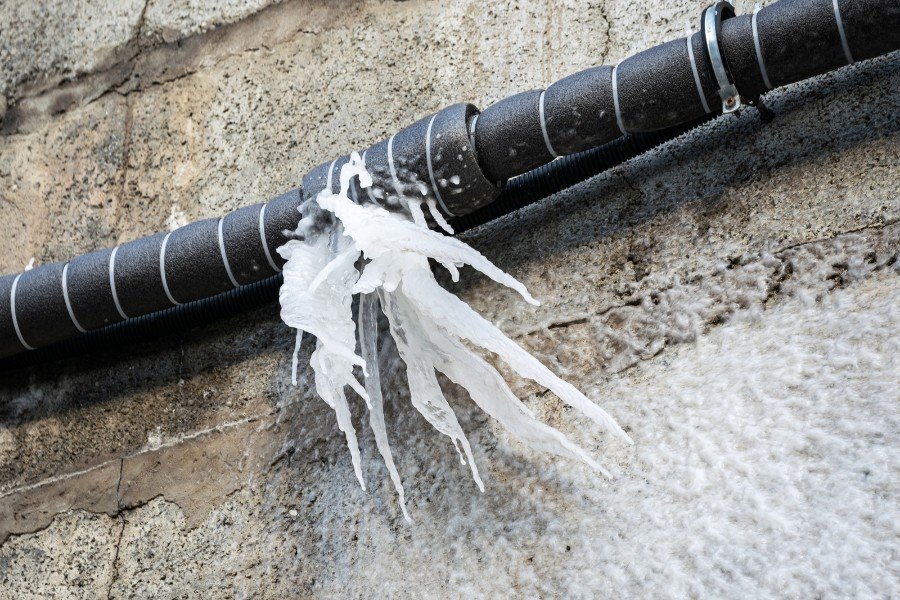
People often ask, “Does it really get cold enough to break the pipes underground?” The answer is a resounding yes. It’s not just the deep freezes of January you have to worry about, it’s the surprise October frost that catches everyone off guard. When water freezes, it expands by about 9%, and in a rigid PVC or copper pipe, that expansion has nowhere to go but out, right through the wall of the pipe.
The Anatomy of a Freeze: What Happens Underground
Most homeowners assume that because their pipes are bury, they’re safe. While it’s true that the soil provides some insulation, frost can penetrate deep into the ground during a sustained cold snap. If you haven’t properly cleared your lines, that trapped water turns into ice “slugs.”
The most vulnerable part of your irrigation system is actually the backflow preventer. Since this assembly usually sits above ground or just below the surface, it’s the first thing to freeze. When the brass body of a backflow device cracks, it isn’t a cheap fix. You’re looking at a full replacement of a precision mechanical component just because of one night of neglect.
The “Shatter” Effect on PVC and Poly
In our region, most outdoor irrigation services Colorado contractors use either Schedule 40 PVC or HDPE (poly) pipe. PVC is great for high pressure, but it becomes incredibly brittle when the temperature drops. If water is left inside a PVC manifold, the ice won’t just cause a small leak; it will often shatter the entire fitting.
When spring rolls around, and you turn the water back on, you won’t just have a “weaker” sprinkler head, you’ll have a geyser under your lawn. This is why a professional irrigation system installation always includes a plan for drainage. Without it, you’re basically playing Russian Roulette with your plumbing every time the weather forecast turns blue.
Why “Draining” Isn’t the Same as “Blowing Out”
We see a lot of DIY-inclined neighbours try to save a few bucks by just opening the manual drain valves and hoping for the best. Here’s the problem: pipes aren’t always perfectly sloped. Gravity alone won’t pull water out of the low spots in your lines.
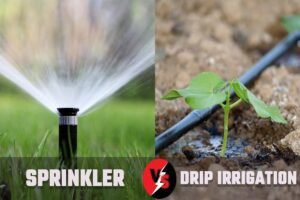
To truly protect a drip irrigation system, you need a high-volume air compressor. This isn’t the little pancake compressor you use to fill up bike tires, it’s a tow-behind unit that pushes massive amounts of air through the lines at a controlled pressure. This “blow-out” method ensures every drop of water is atomized and pushed out of the heads, leaving the pipes dry and safe from the expansion of ice.
Secondary Damage: Valves and Heads
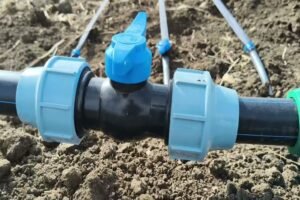
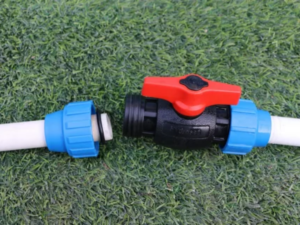
It’s not just the pipes that suffer. Your zone valves have delicate rubber diaphragms and plastic housings inside. If water freezes inside the valve body, it can warp the seal. You might not notice it immediately in the spring, but by July, you’ll wonder why one zone is always soggy even when it’s turn off. That “weeping” valve is a classic sign of freeze damage.
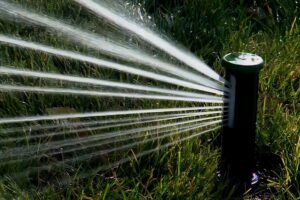
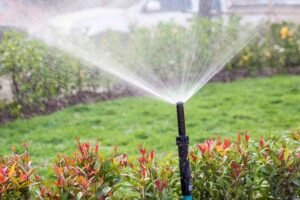
Even your sprinkler system heads can take a hit. Water trapped in the body of a pop-up head can crack the casing or ruin the internal spring. If you’ve ever seen a sprinkler head that won’t stay down or leaks from the side, you’re likely looking at the remnants of a winter freeze. This is why comprehensive lawn care services always include a thorough winterization check.
Timing is Everything in the Mile High
In Denver, CO, we recommend getting on the schedule for winterization by late September or early October. Waiting until the first “hard freeze” (usually defined as four consecutive hours below 28 degrees) is a dangerous game.
If you are stuck in a pinch and a freeze is coming tonight, the best thing you can do is shut off the main water supply to the system and wrap your backflow preventer in heavy blankets or insulation. It’s a temporary band-aid, but it might save your irrigation system in Denver, CO, from a catastrophic failure until Ascend Landscaping & Irrigation can get out there with a compressor.
Custom Solutions for a Harsh Climate
When we design a custom irrigation setup, we take our local climate into account. This means using “swing pipe” for heads so they can move slightly if the ground shifts during a freeze-thaw cycle, and installing master valves that shut off the water at the source.
While there are many lawn watering solutions out there, the most effective one is the one that is maintained. You wouldn’t leave your garden hose full of water on the driveway all winter, and you shouldn’t do the same with the complex network of pipes under your grass.
Conclusion
Winter is beautiful, but it’s a beast when it comes to your plumbing. Frozen pipes aren’t just an inconvenience, they are a destructive force that can ruin a perfectly good landscape in a matter of hours. By taking the time to properly winterize and understanding the risks of ice expansion, you protect your investment and ensure your lawn is ready to bounce back the moment the spring sun arrives. Don’t let a single cold night turn your spring dreams into a muddy nightmare.
Don’t wait until the ground is frozen to think about your pipes. If you want to ensure your irrigation system in Denver, CO, survives the winter without a scratch, call Ascend Landscaping & Irrigation today. We provide professional blow-outs, system audits, and expert repairs to keep your yard in peak condition year-round. Whether you need a quick winterization or a full irrigation system installation, our team is ready to help. Contact us now to secure your spot on our fall schedule!
Frequently Asked Questions
Q: Can I blow out my own sprinklers?
Ans: Most home compressors don’t have enough volume to clear the lines completely, which can leave water behind and lead to cracks.
Q: When is it too late to winterize?
Ans: Once the ground has frozen solid, it’s difficult to clear the lines, so you should aim to finish before the first major snow.
Q: How much does freeze damage repair cost?
Ans: It varies, but a cracked backflow preventer can cost several hundred dollars to replace, far more than the cost of a winterization.